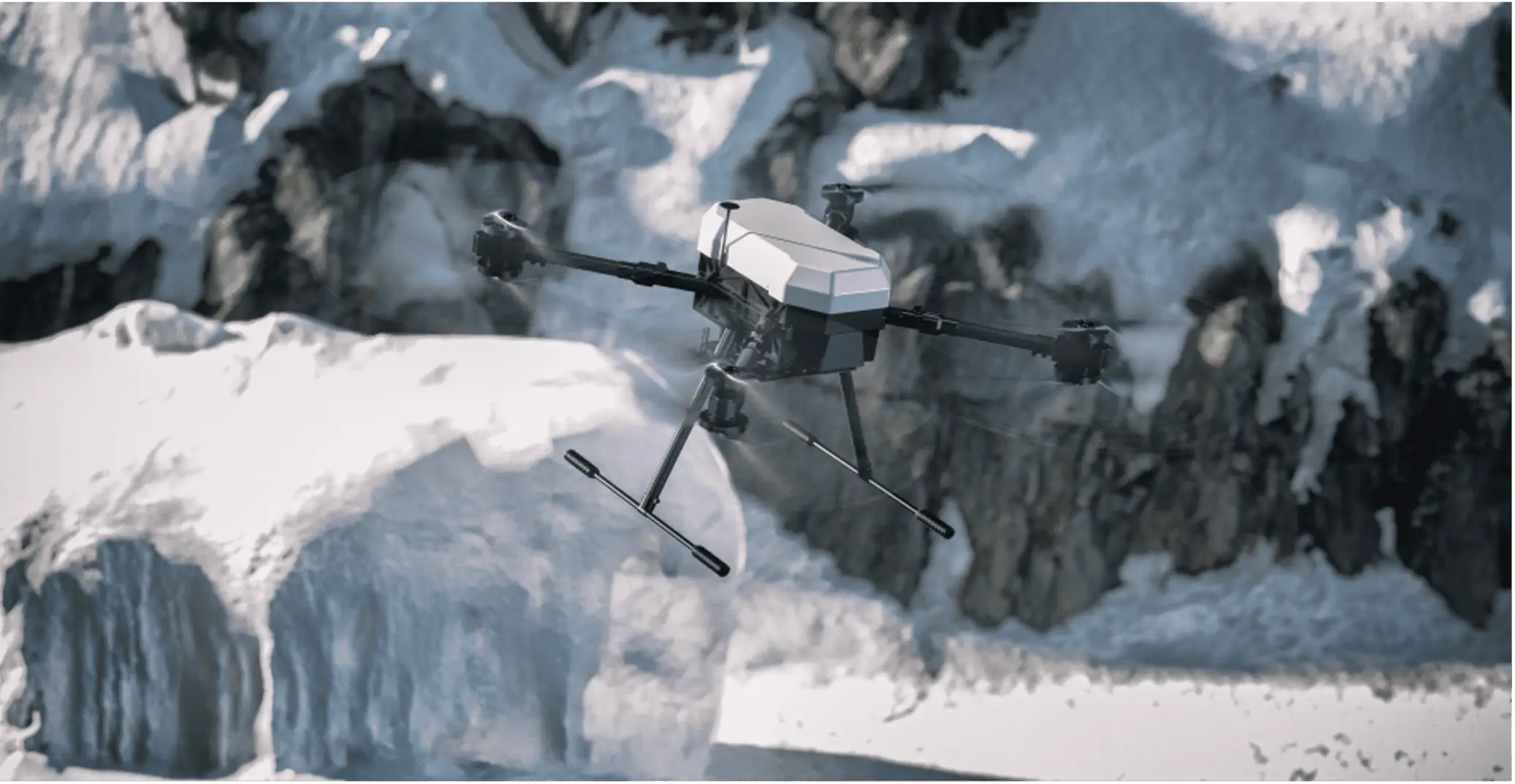
A Bird's Eye View: Investigating the Impact of UAV Operators in Eco-Conservation
Lately, the role of UAV pilots in sustainability efforts has garnered significant focus. These skilled professionals harness the power of drones to track ecosystems, survey fauna, and analyze environmental assets. With developments in UAV technology, professionals can now perform tasks that were once time-consuming, enabling greater effective and successful preservation efforts.
This piece will examine the diverse tasks of aerial specialists within the realm of eco-friendly efforts. From managing federal aviation rules for night flying and flights over people to understanding the importance of LiDAR technology for mapping, we will explore the specifications that enhance their work. As we analyze the complexities of piloting drones for conservation purposes, we will also highlight the vital paperwork and safety practices crucial for maintaining strict operational standards. Whether it is making use of heat detection for locating structural faults or ensuring compliance with airspace rules, these insights reveal the importance of drone professionals as essential players in protecting our Earth.
Navigating through FAA Guidelines for Unmanned Aerial Vehicle Usage
Grasping FAA regulations is vital to drone pilots, particularly those involved in commercial operations focused on environmental conservation. These FAA Part 107 regulations establish the foundation of safe and lawful flying, including obligations on pilot certification, operational limitations, and airspace classifications. Pilots must ensure compliance with the established rules to avoid fines and ensure the security of their missions.
A particularly complex aspects of the FAA's guidelines is obtaining waivers to activities not fall within typical rules. For example, pilots wishing to operate at nighttime or conduct flights over people must navigate the process for applying for waivers meticulously. This involves outlining safety protocols and justifications to show that the proposed operations can still adhere to safety standards. Understanding how to draft a compelling request for a waiver can greatly improve a pilot's capability to execute targeted drone operations, like conducting wildlife surveys or evaluating remote ecosystems.
In addition, pilots should be informed about the controlled airspace as well as how to navigate it effectively. Utilizing the Low Altitude Authorization and Notification Capability (LAANC) tool may streamline this process. Operators must to provide particular documents to obtain authorization, ensuring that operations are conducted in compliance with permissible airspace. Being aware of the classifications of airspace and the corresponding restrictions aids operators organize their flights while upholding compliance with FAA regulations, contributing to the broader objectives of environmental conservation.
Technical Insights for Enhanced UAV Performance
Grasping the aspects that impact drone efficiency is essential for maximizing efficiency in ecological efforts. One key element is battery management. Tolerable battery deterioration must be assessed to avoid mid-flight malfunctions, particularly in essential circumstances. Periodically monitoring battery health and knowing when to retire LiPo flight packs guarantees that drone pilots operate at peak capability, lessening the risk of disruption or mishaps during significant conservation operations.
When it comes to data acquisition, thermal imaging drones serve an important role in identifying infrastructure faults and roof moisture leaks. These drones utilize sophisticated sensor technology to identify heat changes, allowing conservationists to resolve issues before they become serious. Harnessing the capabilities of thermal drones can considerably aid to wildlife conservation initiatives, especially in identifying temperature deviations in habitats that may suggest larger environmental problems.
Additionally, the distinction between traditional and electronic shutters in drone mapping is significant. Mechanical shutters are preferable for photographing high-speed movements without blurring, whereas electronic shutters can lead to artifacts. Choosing the correct shutter type based on the mission criteria can greatly boost the quality of information collected, ultimately enhancing the efficacy of conservation strategies employed.
Best Practices for Business Drone Operations
To secure efficient and safe professional drone flights, operators should understand FAA regulations, especially FAA Part 107. This knowledge encompasses how to handle waivers for night flying and operations over people. Proper understanding of these regulations helps drone pilots maintain adherence while expanding their operational capabilities, eventually fostering more secure and more efficient flights. Additionally, pilots should emphasize acquiring the specific documentation needed to clear controlled airspace through the Low Altitude Authorization and Notification Capability (LAANC) system, which facilitates the approval process for drone operations in busy airspaces.
Consistent maintenance and calibration of drone equipment is vital for optimal performance. Drone pilots should be vigilant to factors such as magnetic interference, which can influence the accuracy of compass and IMU calibrations. Understanding how to maintain and clean camera sensors and gimbal bearings will ensure clear imaging, which is crucial for tasks like thermal imaging and photogrammetry. Additionally, performing Drone Pilots Alvie Inverness-shire -flight checks can help identify potential issues, ensuring that drones are ready for safe flight and that operators can react effectively to any unexpected challenges during operations.
Finally, operators must keep thorough records for commercial insurance audits and compliance purposes. Structuring a professional flight log that documents flight conditions, battery life, and any anomalies can provide essential documentation for underwriting processes. It is also crucial to understand the factors that impact drone performance, such as payload weight, battery degradation, and flight telemetry data, enabling pilots to make informed decisions that enhance safety and efficiency. By adopting these best practices, drone pilots can greatly contribute to the impact of environmental conservation efforts through their aerial operations.