The Art and Science of Drone Flight Navigation: A Pilot's View
As drone technology keeps to evolve, the function of a pilot of drones has transformed into a complex blend of creativity and technical skills. Navigating through the air requires not just an awareness of the aircraft's capabilities along with a proficiency of laws and regulations, environmental conditions, and sophisticated imaging methods. Whether taking breathtaking aerial footage or conducting precise surveying operations, drone pilots must stay well-versed in a range of elements that influence their flight experience.
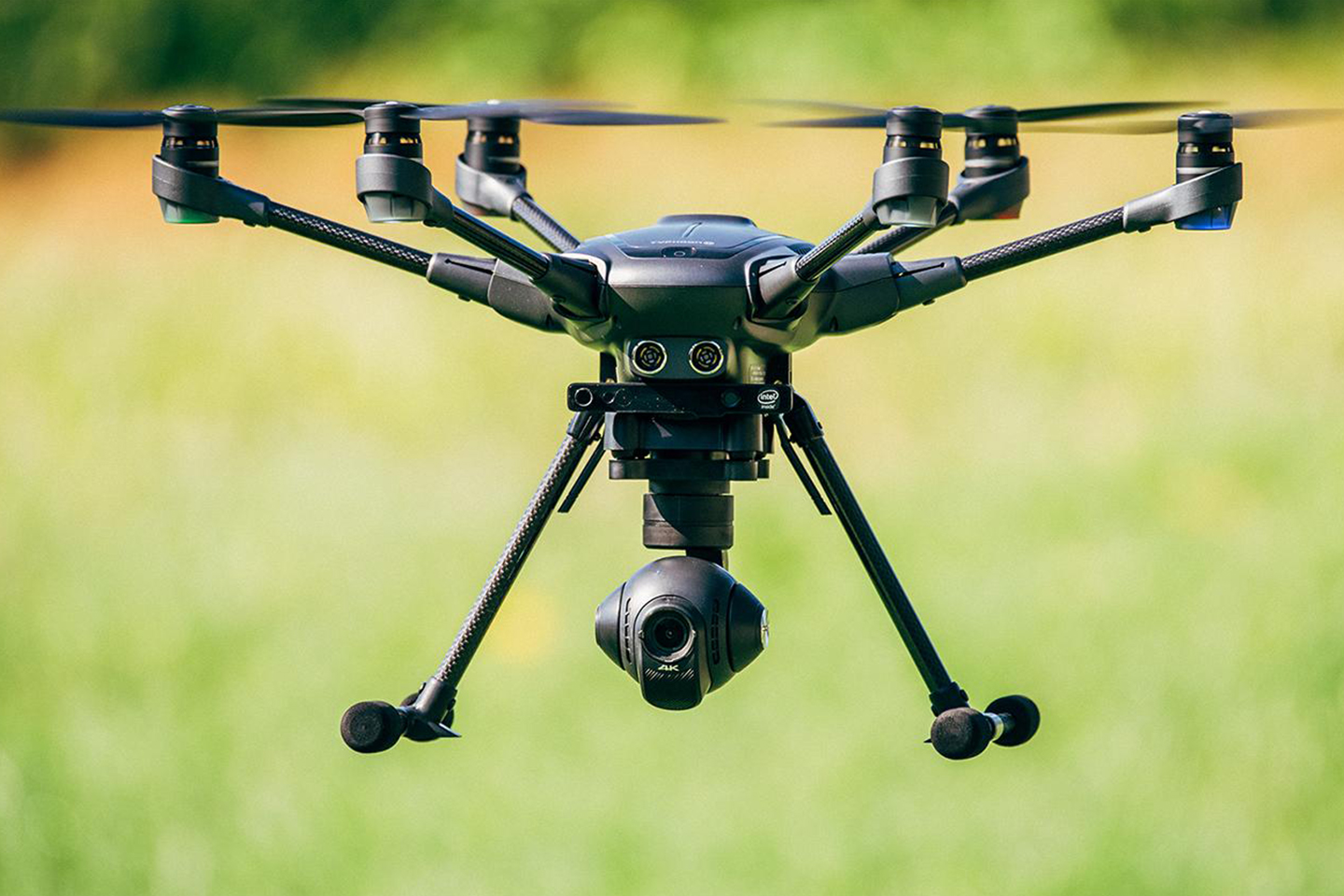
From securing FAA Part 107 waivers for night operations and flights over people to understanding the subtleties of controlled airspace through the LAANC system, every detail is critical for guaranteeing a safe and successful operation. Additionally, the complexities of drone technology, such as the distinctions between mechanical shutters and electronic ones or the impact of magnetic interference on calibration, can significantly affect the quality of the work produced. Drone Pilots Cawdor Inverness-shire explores the art and science of drone navigation from a pilot's perspective, exploring the essential skills and knowledge required to succeed in this ever-evolving industry.
Navigating FAA Rules and Exemptions
For aerial operators, grasping FAA rules is vital for secure and compliant operation. The FAA Part 107 standards detail the fundamental regulations for flying drones for business purposes, comprising limitations on operating at night and above people. However, pilots wishing to fly under these conditions must manage the waiver process, which can appear overwhelming. Submitting a request necessitates a thorough knowledge of the particular criteria, a showing of safety, and a concise operational strategy that tackles possible risks associated with these unique operational circumstances.
Once equipped with the knowledge of necessary documentation, pilots can simplify their efforts to acquire a permit for night flying or activities over individuals. This consists of outlining the safety protocols and hazard reduction strategies that will be implemented to ensure the protection of people on the ground. Pilots should be prepared to provide detailed details about their equipment and any additional training or certifications they possess that back their request, ultimately assisting the FAA evaluate their capability to operate securely.
Moreover, understanding how to use tools like the Low Altitude Authorization and Notification Capability (LAANC) is crucial for pilots looking to clear controlled airspace effectively. https://barbee-schwartz.hubstack.net/pursuing-thrills-the-excitement-of-thrill-of-competitive-drone-racing allows for almost immediate authorizations for drone flights in controlled airspace, facilitating the planning procedure. By adhering to a methodical approach to both waivers and LAANC, drone pilots can improve their positioning themselves for achievement in the challenging compliance landscape of business drone operations.
Expert Advice for Unmanned Aerial Systems
Navigating the challenges of UAS operations demands a strong understanding of both the craft and technical aspects behind the technology. One key aspect is grasping the FAA Part 107 regulations, particularly when seeking to obtain waivers for night flying and acting above individuals. Pilots should to prepare thorough paperwork showing their ability to operate safely under these circumstances, which can often involve comprehensive risk assessments and operational plans tailored to specific scenarios.
Another significant factor in drone navigation is grasping controlled airspace and the role of the LAANC system. This tool streamlines the procedure for obtaining airspace authorization, allowing pilots to access controlled airspace with the right documentation and prompt communication with air traffic authorities. Getting acquainted with LAANC protocols is essential for securing compliance and steering clear of violations that could endanger both the mission and the pilot's credentials.
Additionally, the influence of magnetic noise on drone navigation cannot be overemphasized. Setting of the drone's directional sensor and IMU is key for maintaining precise flight routes. Pilots must be cognizant of environmental conditions that may disturb sensor readings and take proactive steps to conduct calibrations before and during operations. Comprehending these technical aspects will enable pilots to make informed decisions that improve the safety and efficiency of their missions.
Maintenance and Safety Optimal Procedures
To ensure the longevity and effectiveness of drones, regular maintenance is critical. This entails thorough inspections of all components before and after flights. Inspecting the rotors for signs of damage or deterioration, ensuring camera sensors and gimbal bearings are free of debris, and verifying that batteries are in optimal condition can prevent potential malfunctions during critical operations. Adopting a systematic approach to maintenance not only improves safety but also builds trust with clients, particularly in business settings.
Recognizing the importance of calibration and updates is paramount. Magnetic interference can impact a drone's compass and IMU calibrations, resulting in navigation mistakes. Drone operators should routinely check and recalibrate the systems, especially when flying in areas known for magnetic anomalies. Additionally, maintaining firmware current ensures drones are operating with the most recent safety features and enhancements, thus safeguarding assets and operational integrity.
Aviation logs play a vital role in ensuring compliance with standards, especially for commercial drone pilots. A properly organized flight log serves not only for individual record-keeping but also meets the requirements of coverage audits. Documenting critical data such as flight hours, maintenance checks, and incidents can provide a clear overview of the drone’s operational history. Ensuring that all documentation is correct and current contributes to transparent operations, making it easier to navigate through FAA regulations and insurance guidelines efficiently.